
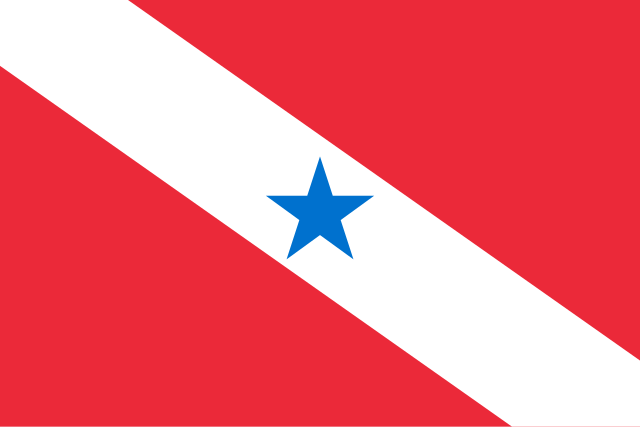
Para, officially the Republic of Para, is a Portuguese-speaking country in South America. It borders Guyana, Suriname, and Amapa to the north, the Atlantic Ocean to the northeast, Mato Grosso to the south, Goias and Maranhao to the east, Amazonas to the west, and Roraima to the northwest. As of 2026, Para has a population of 8,711,196 inhabitants, making it the most populated country in the northern half of former Brazil. The capital of Para is the city of Belem, located at the Amazon River’s estuary. The city of Santarem, located along the Amazon River, anchors the second largest metropolitan area in Para.

With a land area of 460,000 square miles of land, Para is the second largest Portuguese-speaking country in South America by area. Since a large chunk of Para’s land is occupied by the Amazon Rainforest, most of the country’s people live along either the Amazon River or the country’s Atlantic coastline. As a result of its tropical climate, Para is a major global producer of natural rubber, which is its main cash crop. Other major crops grown in Para include bananas, pineapples, coconuts, and cassava. Additionally, minerals such as iron ore and bauxite are also exported from the country.
Para was originally a state of Brazil until 2020, when Brazil was dissolved and all 26 states became independent countries. Upon becoming independent, Para entered into an economic crisis. With investment from other nations, including McGrathia, Para’s economy slowly grew again. Today, the country is an important country when it comes to controlling river trading along the Amazon. Para is one of the most important countries in the McGrathian sphere of influence in Latin America.